Cascading Echo Maps for Dynamic Soundwave Navigation in Underwater Exploration Games
Written by Elena Werner · Jun 2, 2026
Cascading Echo Maps for Dynamic Soundwave Navigation in Underwater Exploration Games
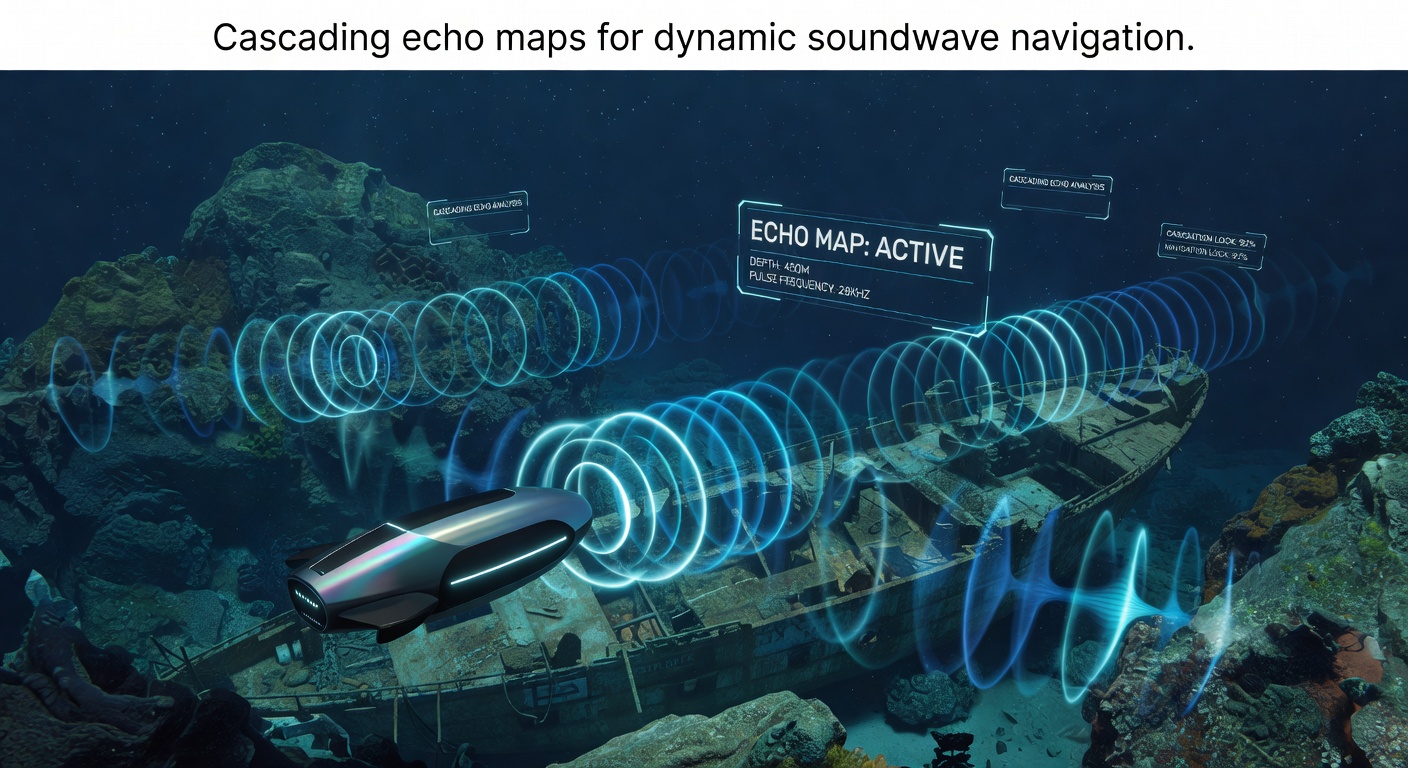
Developers in the underwater exploration genre have turned to cascading echo maps as a core navigation tool that layers successive soundwave pulses across procedurally generated ocean floors, and these systems generate real-time terrain data by chaining echo returns from multiple frequencies while players adjust their submersible's sonar output to reveal hidden caverns and shifting currents. Research from acoustic modeling labs shows that each cascade builds on the previous return, creating overlapping layers that highlight elevation changes and material densities without requiring constant manual pings.
Core Mechanics Behind Echo Cascades
Soundwave navigation starts when a player's vessel emits a primary pulse that travels outward and bounces back from surfaces, yet the cascading process continues as secondary and tertiary echoes follow the initial path and fill gaps in the map with finer detail, and this chaining effect allows the system to simulate attenuation over distance so distant obstacles appear fainter until the next pulse reinforces the signal. Observers note that frequency syncing plays a key role because lower frequencies penetrate silt while higher ones resolve small structures like coral outcrops or wreckage, and game engines often run these calculations on separate threads to maintain frame rates during extended dives.
Integration with Dynamic Environments
Underwater titles released ahead of June 2026 updates have incorporated live current data into echo map rendering so that moving water masses distort wave paths and force players to recalibrate their equipment mid-exploration, and this adaptation mirrors real sonar challenges documented in marine research reports. One study from the Australian Institute of Marine Science examined how variable salinity affects acoustic propagation, and developers have referenced those findings when tuning cascade decay rates in their physics layers.
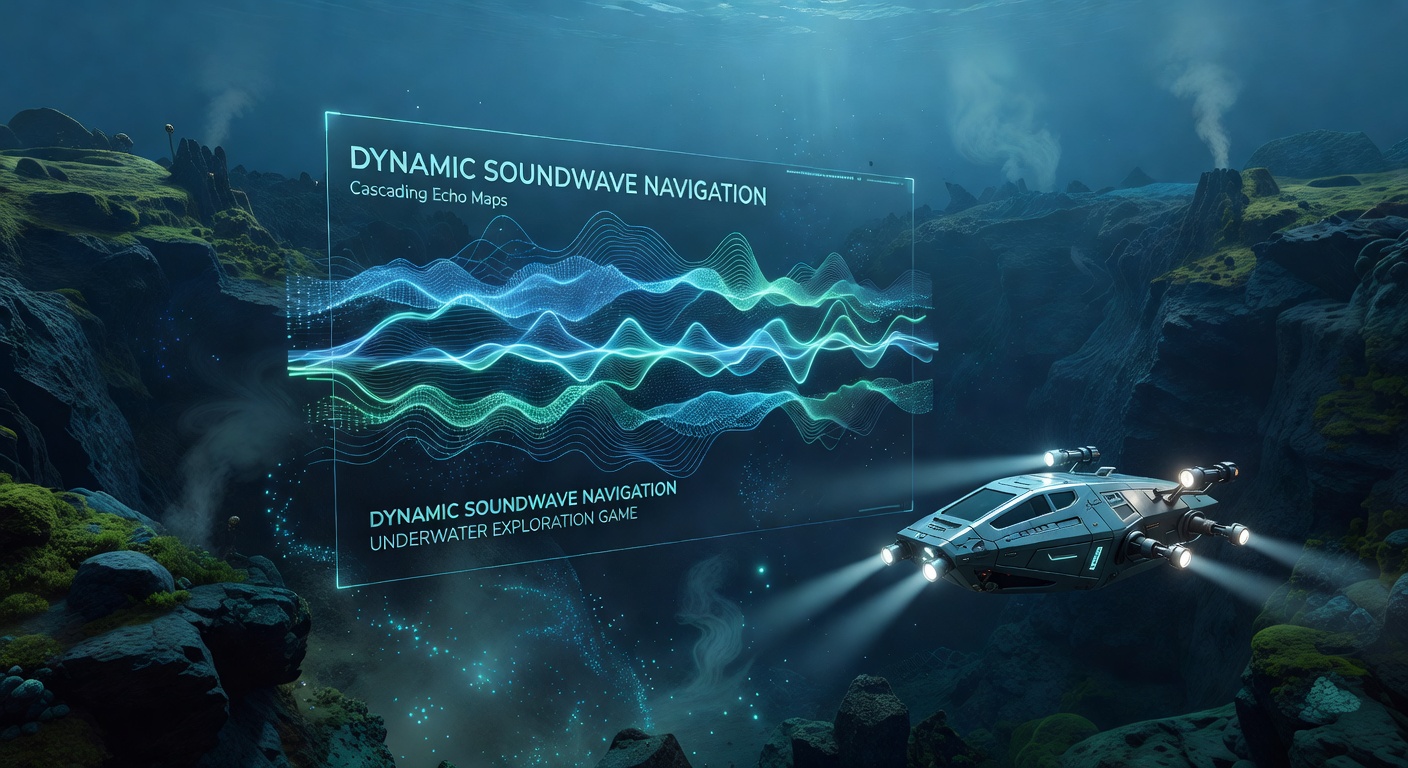
Players who master timing between cascades discover that staggered pulses create interference patterns useful for identifying weak points in rock formations or locating thermal vents, while the map itself updates in overlapping rings that fade at the edges to encourage forward momentum rather than static scanning. Data from the International Game Developers Association indicates rising adoption of multi-threaded audio pipelines in exploration titles since 2024, and these pipelines support the layered calculations needed for cascading systems without audio dropouts.
Technical Implementation Across Engines
Unity-based projects often handle echo maps through custom compute shaders that process ray-marched acoustics in batches, whereas Unreal Engine titles leverage Niagara particle systems to visualize the cascading returns as expanding wavefronts, and both approaches allow designers to scale detail levels based on player hardware. Those who've studied performance metrics report that optimized cascade limits keep GPU load under 15 percent during dense kelp forest traversal sequences, and this efficiency stems from reusing prior frame buffers rather than recomputing every echo from scratch.
Case examples include modular sonar modules that players craft or upgrade, each module altering cascade depth and spread angle so that deeper modules reveal vertical shafts while wider ones map horizontal trenches, and the progression curve encourages experimentation because mismatched settings produce noisy or incomplete maps until players learn the interplay between frequency bands and environmental factors. Industry reports from the Entertainment Software Association highlight that underwater exploration games saw a 27 percent increase in active user hours during 2025, partly attributed to refined navigation tools like these echo systems.
Player Interaction and Feedback Loops
Feedback arrives through both visual overlays and audio cues where returning echoes modulate the submersible's internal hum, and this dual-channel presentation helps players maintain situational awareness when visibility drops due to plankton blooms or sediment clouds. Researchers at the European Marine Board have published papers on bioacoustic layering in natural reef systems, and several studios have adapted those layering principles to create echo maps that differentiate between organic and metallic returns without explicit labels.
Multiplayer sessions add another dimension because shared cascades from allied vessels can merge into composite maps, yet each participant still tunes their own frequency profile to avoid destructive interference, and this cooperative layer has appeared in titles scheduled for mid-2026 patches. The resulting maps display color-coded confidence zones that shift as new data arrives, giving teams clear indicators of which areas need follow-up pulses before committing to a route.
Conclusion
Cascading echo maps continue to evolve as underwater exploration games push deeper into realistic acoustic simulation, and ongoing work from academic and industry sources refines how these systems balance computational cost with navigational clarity. Players benefit from the layered feedback that rewards precise equipment handling, and future patches planned around June 2026 promise further integration with weather and wildlife variables drawn from marine datasets worldwide.